Cybersecurity is no longer just an enterprise issue. Recent data shows that over 60% of small businesses in India shut down within six months of a major cyber attack. Scammers know that MSMEs often lack dedicated CISOs or expensive firewalls, making them low-hanging fruit.
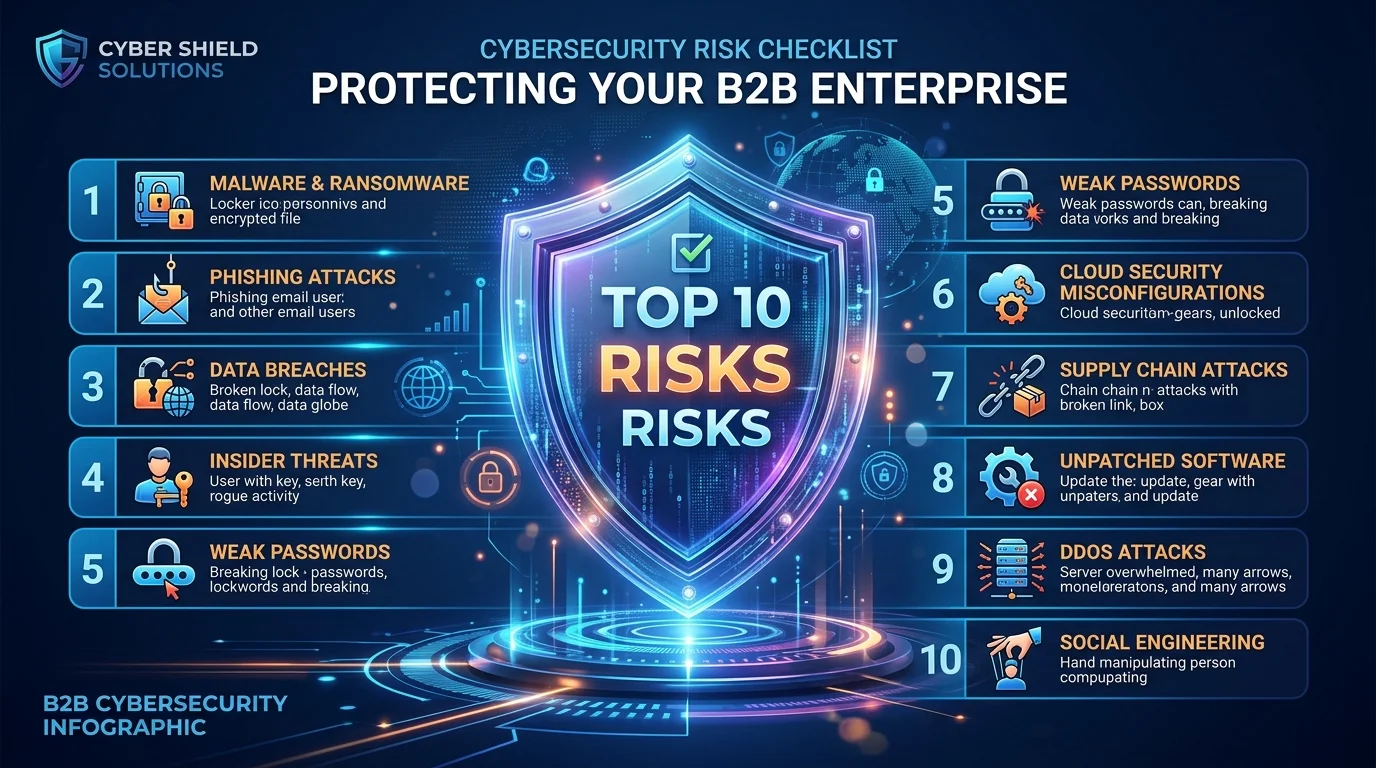
1. Localized Phishing and GST Scams
Scammers spoof the GST portal, income tax department, or popular shipping firms (like Delhivery or BlueDart) with fake tax refund links or pending shipping notices. Unsuspecting finance employees click these links, leading to credential theft.
2. WhatsApp-Based CEO Impersonation
Using stolen images or public profiles, attackers set up WhatsApp numbers pretending to be the CEO or Partner, requesting urgent bank transfers or UPI payments from junior accountants under the guise of an "emergency client deal."
3. Ransomware Lockouts
Ransomware attacks in India rose by 35% in 2025. Attackers encrypt all files on local network shares and databases, demanding lakhs in cryptocurrency to restore business operations.
4. Weak Password Hygiene
The reuse of passwords across work emails, vendor portals, and social media accounts is highly common. Once one third-party portal is breached, hackers easily compromise the entire corporate email suite.
5. Outdated and Unpatched Web Apps
Many MSMEs run customer-facing portals on outdated versions of WordPress, Joomla, or PHP. These host well-known security gaps that automated bots easily find and exploit.
6. Lack of Multi-Factor Authentication (MFA)
Relying purely on a password to protect Microsoft 365 or Google Workspace is an open invitation for hackers. Enforcing MFA blocks over 99% of automated account takeovers.
7. UPI and Banking Transaction Fraud
Attackers swap QR codes or manipulate payment link details on web pages, redirecting customer deposits to fraudulent accounts.
8. Non-Compliance with the DPDP Act 2023
Under India's new Digital Personal Data Protection (DPDP) Act, failure to safeguard customer data can lead to severe fines of up to ₹250 Crores, creating direct legal liability for MSMEs.
9. Unsecured Vendor Connections
Hackers frequently compromise a smaller supplier's network to gain lateral access into the systems of larger corporate clients, using MSMEs as a gateway.
10. Unsecured Remote Access (VPNs)
Remote IT administration or work-from-home accounts using weak passwords or legacy protocols (like RDP without VPNs) allow hackers direct entry into office servers.